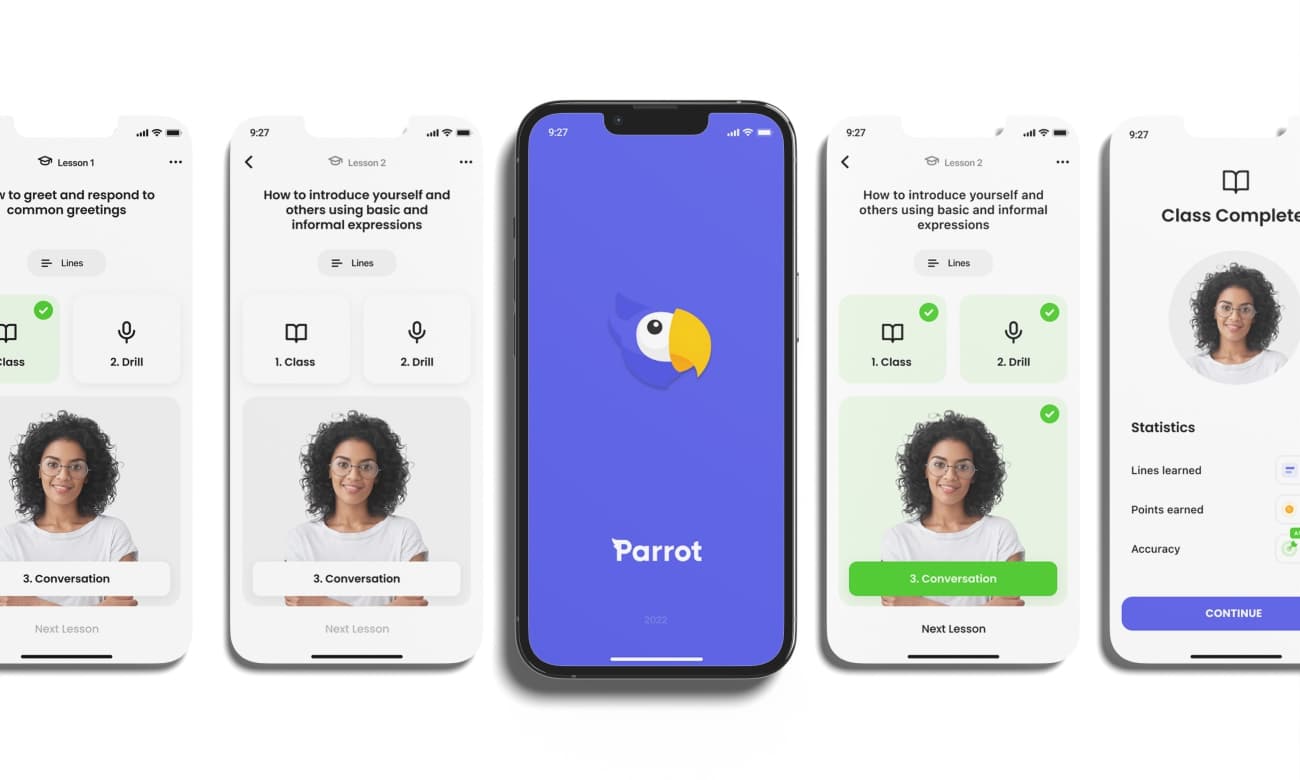

A useful project brief explains the problem you want to solve. It does not need to specify every screen or technical decision. A few clear answers can help a development team ask better questions and propose a more relevant scope.
Start with the business problem
Describe the current situation, who it affects, and what you would like to improve. For example, a service business might need to reduce manual booking work, while a startup might need to test whether customers will use a new service. Keep the problem separate from a list of requested features.
Describe the people and the core journey
List the main user groups and the most important task each group must complete. A customer, staff member, and administrator may need different permissions and interfaces. Describe the journey from the first action to a successful result, including exceptions such as a failed payment or cancelled booking.
Separate the first release from later ideas
Mark each proposed capability as essential for the first release, useful later, or still uncertain. Explain why a feature is needed rather than only naming it. This makes it easier to discuss alternatives and avoid treating every idea as a launch requirement.
Share constraints and existing systems
Mention existing software, data sources, integrations, brand assets, and designs. Share any target date and explain what makes it important. A budget range, when you have one, helps the team suggest a realistic scope. Send system access and confidential data through an agreed secure process after the initial conversation, rather than in a public enquiry.
Agree how you will judge the result
Define a few observable acceptance criteria: which tasks must work, which devices matter, and who will review the release. Distinguish launch checks from longer-term business outcomes. Discuss analytics, ownership, documentation, deployment, and support as part of the proposed work.
- The problem and intended audience
- Core user journeys and first-release priorities
- Existing systems, designs, and integrations
- Budget and timing constraints, if known
- Acceptance criteria, ownership, and support expectations
Start with a simple brief
Our project planner helps you outline your goal, platform, and starting point. You can edit the draft before sending it to us.